

Blog
Choosing an industrial screwdriver isn’t like buying a generic tool. It’s a decision that directly impacts the quality of the finished product, line productivity, operator safety, and long-term operating costs. Yet there are dozens of types, hundreds of models, and just as many technical specifications on the market.
In over 50 years of specialized work in industrial fastening, we have helped more than 1,200 Italian and international companies identify the right solution for their processes. In this guide, we share the method we use internally: a structured decision-making process that begins with an analysis of the joint and leads to the selection of the correct tool.
What is an industrial screwdriver?
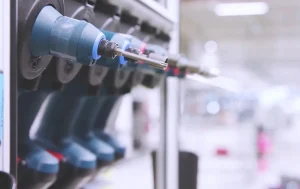
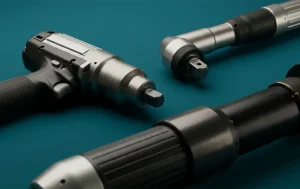
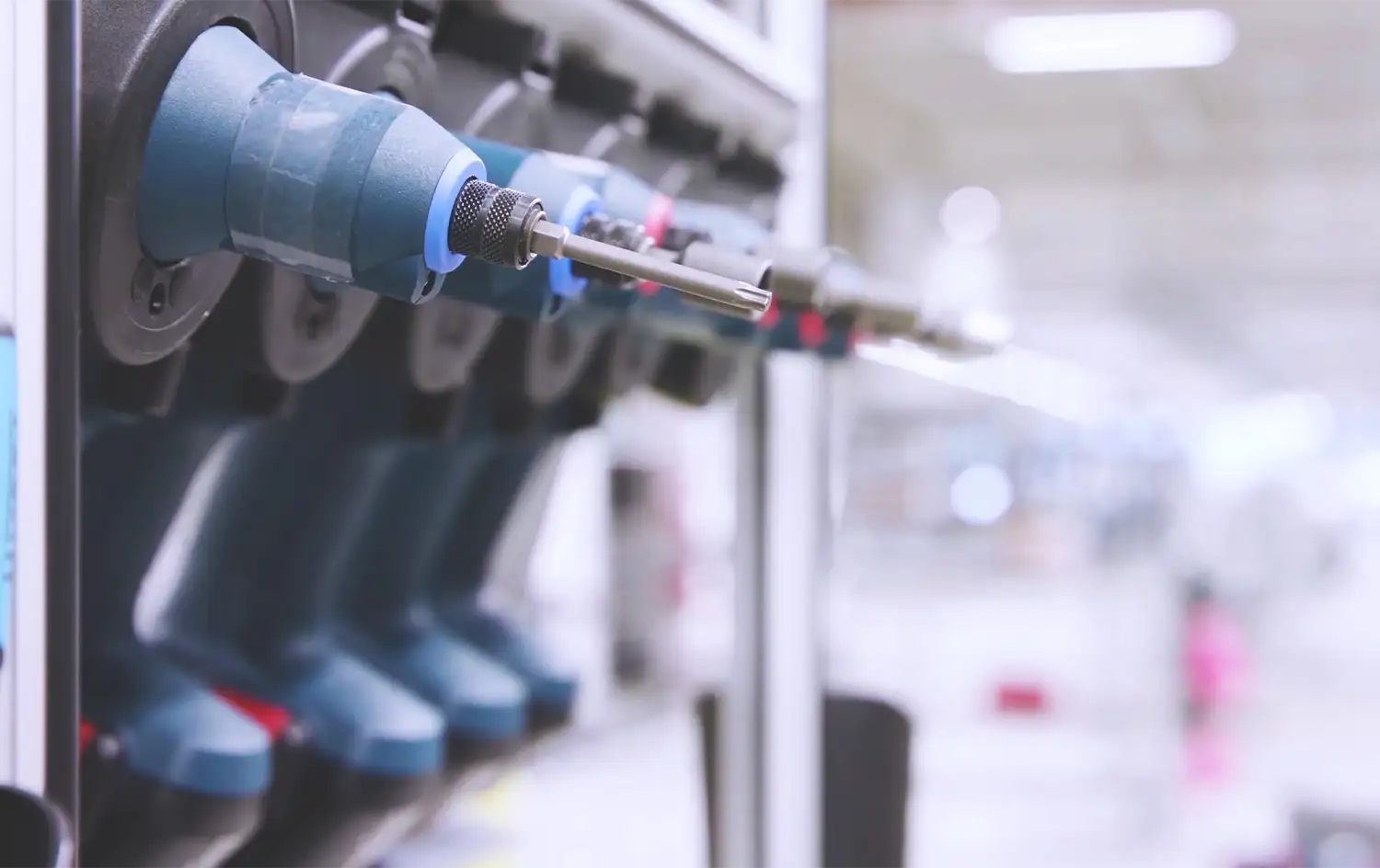
An industrial screwdriver is a tool designed to apply torque to screws and bolts in manufacturing settings. Unlike traditional screwdrivers, these tools are built to withstand heavy-duty use and to ensure precision and reliability during the assembly process.
Industrial screwdrivers can be pneumatic, electric, or electronic, each with specific characteristics that meet different operational needs. When selecting a screwdriver, one must consider the requirements of the joint to be tightened, the production volume, and the need for traceability—all of which are essential for ensuring the quality of the final product and the safety of operators.
What are the important technical parameters to consider? (torque, RPM, connection)
When selecting an industrial screwdriver, it is essential to consider several technical parameters that directly affect the tool’s performance and effectiveness. Among the most important are:
- Torque: This represents the force applied during tightening and must be selected based on the joint specifications. It is important to define the target torque (in Nm) required by the design and the acceptable torque tolerance.
- RPM: Indicates the rotational speed of the screwdriver. An appropriate speed is essential to ensure efficient and rapid tightening, especially in high-throughput applications.
- Drive: Refers to the type of tool drive, which must be compatible with the screws or bolts being used. The size and type of drive also affect the torque range and compatibility with accessories.
Taking these parameters into account allows you to select the screwdriver that best suits the specific needs of your production process.
How do you choose the right torque setting for an industrial screwdriver?
It all starts with the tightening torque. Before you even look at a catalog of screwdrivers, you need to have a clear understanding of the specifications of the joint you need to tighten. The key variables are:
- Target torque: the tightening value in Nm specified by the design. This parameter determines the tool category.
- Torque tolerance: How much leeway do you have relative to the target value? ±5%? ±10%? The tighter the tolerance, the more precise the electronic control will need to be.
- Tightening angle: In certain critical joints (especially in the automotive industry), torque-angle control is mandatory to ensure proper bolt preload.
- Joint type: rigid joint (torque reached within a few degrees) or flexible joint (requires more rotation)? This distinction affects the choice of locking mechanism.
- Screw/bolt size: The diameter determines the required fastener and, indirectly, the required torque range.
Technical Note: The ISO 5393 standard classifies screwdrivers based on their ability to apply torque in a controlled manner. Before making any purchases for critical production lines, we recommend conducting a process verification in accordance with this standard to establish reference parameters. |
Define Production Requirements
Once the joint parameters are known, the choice must be applied to the actual production context. The key questions to ask are:
What is the production volume?
A production line that produces 500 units per hour has completely different requirements than a manual assembly station with 20 operations per day. The frequency of use determines the required durability, the type of duty cycle, and the expected maintenance budget.
What is the required operating pace?
The cycle time available for each tightening operation directly affects the required rotation speed. High-speed screwdrivers are used to quickly tighten small-diameter screws on high-speed production lines. Slower, more controlled screwdrivers are used where precision takes priority over speed.
How does the operator work?
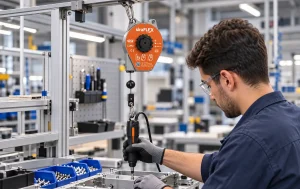
Ergonomics is often an underestimated factor. A screwdriver that is too heavy or has high reaction torque causes fatigue, errors, and health risks. Reaction and positioning arms are often the solution for reducing the load on the operator when working on high-torque joints. To explore the topic of ergonomics in industrial settings further, INAIL has published specifications and guidelines for the prevention of musculoskeletal disorders caused by repetitive work, which we recommend consulting when designing workstations.
Assess the level of criticality and the required traceability
This is the key question that determines the entire architecture of the solution. Does your process require torque traceability? And if so, at what level?
| Criticality Level | Examples of Use | Recommended Screwdriver Type |
| Non-critical | Furniture, packaging, general assembly | Standard pneumatic or electric screwdriver without control |
| Medium | Household appliances, agricultural machinery, general MRO | Screwdriver with mechanical torque control |
| High | Automotive Tier 1-2-3, industrial plants, electronics | Electronic screwdriver with process control |
| Critical / Safety | Automotive OEM, aerospace, defense, rail | Electronic screwdriver with torque and angle control and full traceability |
What are the different types of industrial screwdrivers?
Once the joint, production volume, and critical issues have been defined, you can proceed to select the technology. Here is an overview of the main categories and their respective areas of application.
Mechanical impact wrenches (e.g., Panasonic)
Ideal for high-speed lines with medium-criticality joints. High productivity, affordable cost, and durability. Not suitable for certified traceability.
Hydraulic impact wrenches (e.g., Uryu)
Faster application, more precise torque, reduced vibration, and longer service life. Excellent for medium-to-high torque applications where ergonomics are important. Available in our catalog as part of the Uryu series, with decades of proven reliability.
Electric screwdrivers with mechanical torque control (e.g., Delvo / Nitto Kohki, Kilews, Panasonic, Bosch)
A compromise between pneumatic and electronically controlled systems. Mechanical precision without complex electronics. Ideal for semi-critical applications with medium-to-high volumes and a limited budget.
Controlled electronic screwdrivers (e.g., Estic, Nitto Seiko)
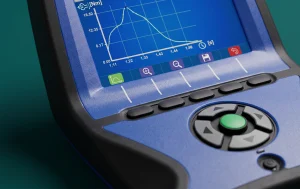
The choice for all critical processes. Torque and angle control, programming of multiple tightening steps, and data connectivity. The systems offer integration with communication protocols, data buses, RFID, and Zigbee for fully digital workstation management.
Automatic screwdriving systems (e.g., Siratec)
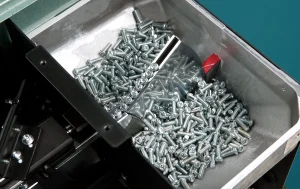
For highly automated lines, automatic screw feeding and clamping systems eliminate the need for manual intervention, increase repeatability, and integrate the screwdriving process into Industry 4.0 production flows. SIRA S.p.A. designs and manufactures these systems through Siratec, our engineering division specializingin assembly automation.
How do you perform maintenance on an industrial screwdriver?
An industrial screwdriver is a measuring instrument, and as such, it must be kept in good working order, calibrated periodically, and repaired using genuine replacement parts. When selecting one, always consider:
- The availability of genuine replacement parts in stock
- The ability to perform certified calibrations
- The existence of a preventive maintenance contract
- Prompt response in the event of a breakdown (downtime = direct cost)
SIRA S.p. A. Service offers all of the following: startup, commissioning, preventive maintenance at fixed prices, repairs using original replacement parts, and post-repair functional testing.
The 5 Most Common Mistakes When Choosing a Screwdriver
| Error | Consequence | How to Avoid It |
| Buying based on price without analyzing the joint | Inappropriate tool, scrap, rework | Always start by analyzing the joint |
| Underestimating the required traceability | Non-compliance in audits, quality issues | Verify the regulations of the customer’s industry |
| Neglecting ergonomics | Operator fatigue, errors, and injuries | Evaluate weight, reaction forces, and support arms |
| Do not factor in maintenance | Unexpected production downtime, high costs | Include service in the total budget |
| Relying on a generic distributor | Inadequate technical support, non-genuine replacement parts | Choose a specialized technical partner |
SIRA S.p.A.’s Expert Advice on Choosing the Right Screwdriver for Your Needs
At SIRA S.p.A., even before we show you a product, we listen to and analyze your process. Every customer has different needs: an automotive production line doesn’t have the same requirements as an aircraft maintenance facility. Our in-house technical team can support you from the initial analysis of the connection all the way through to the commissioning of the instrument, including functional testing.
With over 20 international partner brands—all in the premium/professional segment—and a stock of products and replacement parts that is always available, we are able to quickly find the optimal solution, even for non-standard applications.
CONTACT US NOWFAQ – Frequently Asked Questions About Industrial Screwdrivers
How does an industrial screwdriver work?
An industrial screwdriver uses an electric or pneumatic motor to apply torque to screws and bolts. The force generated by the motor is transmitted through a reduction mechanism that allows the desired torque value to be achieved for the specific fastener.
How much does an industrial screwdriver cost?
The cost of an industrial screwdriver varies significantly depending on the type and technical specifications. Basic models can be found starting at a few hundred euros, while more advanced models with electronic features can cost well over a thousand euros.
What accessories are needed for an industrial screwdriver?
The accessories needed for an industrial screwdriver include screw bits, sockets, adapters, and reaction arms. Additionally, depending on the specific requirements of the manufacturing process, automatic screw feed systems and calibration tools may be useful.
What is an industrial screwdriver used for?
An industrial screwdriver is primarily used to assemble components across various industries, ensuring precision during tightening and reducing the risk of errors. It is essential in critical applications such as the automotive and aerospace industries, where traceability and torque control are required.