

Blog
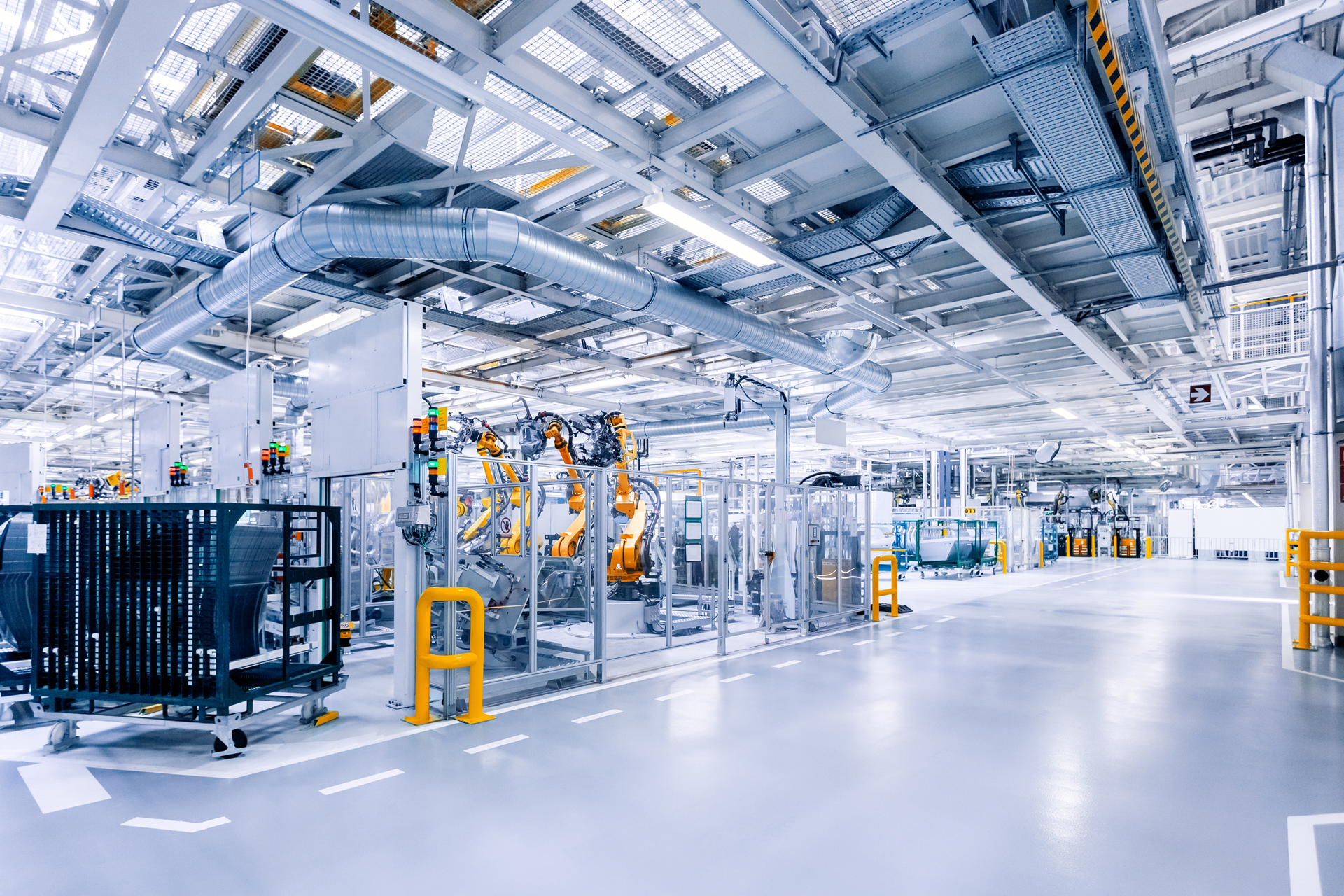
To remain competitive in the market, companies are investing in major technological advancements related to industrial automation. This term, which has entered everyday vocabulary, refers to a decisive shift in the technological architecture of industries, one that is geared toward the widespread use of machines and software.
The new systems and tools, developed to make production process management more effective, represent a substantial improvement that streamlines turnaround times without compromising reliability. At the same time, these systems enable safer and more precise work.
Why is it so important to use technologies and tools for industrial automation? And what about the many benefits they offer? In this article, we’ll examine the definition of industrial automation and how it works.
What Does Industrial Automation Mean?
When we talk about industrial automation, we’re referring to a term used to describe the set of technologies and systems capable of intelligently managing industrial machinery or production processes. A prime example of this is programming a machine so that it performs a task completely autonomously—that is, without any external intervention by a person.
These systems can be applied to both simple applications and a full-fledged set of processes. An industrial automation process can therefore involve just a few elements to be controlled, as well as entire structures that work in synergy to carry out a more complex and extensive production process.
Among the most common examples, industrial automation finds its greatest application in the implementation of so-called collaborative robots—automated systems capable of replacing human labor by performing the same tasks.
For a company, implementing industrial automation systems means performing certain specific tasks more quickly, efficiently, and safely —such as lengthy, repetitive daily operations; tasks that require a certain degree of precision, power, or speed; and tasks that could pose a hazard to workers in both the short and long term.
In the vast majority of cases, a company that chooses to install autonomous machinery also uses a so-called PLC (Programmable Logic Controller), a small interface system in the form of an operator panel. The device records operating data and is capable of starting or stopping production processes, as well as generating alarms for any anomalies or sudden malfunctions.
Depending on the type of process and industry, different equipment may be used based on type, safety, and performance.
The Advantages of Industrial Automation
As mentioned, choosing to implement machinery capable of operating autonomously in a company is undoubtedly a way to increase productivity. At the same time, the risk of oversights, errors, or sudden malfunctions is reduced, resulting in optimized labor time and costs.
Not only that, but robots can work in place of humans in hazardous environments, performing tasks that are quite strenuous and physically demanding for humans: this significantly improves workplace safety and helps protect employees’ health.
In addition to what has been said so far, one of the benefits of industrial automation is the redefined nature of job duties. While it is true that the use of machines replaces human labor, it is equally true that workers are assigned a new role: managing the machinery to ensure it operates effectively and smoothly, including through regular maintenance.
Closely related to this point, it should also be noted that industrial automation has enabled the emergence and growth of new professional roles.
Sira’s range of industrial automation systems
Sira S.P.A., a leading company in the field of assembly systems and industrial automation, specializesin offering solutions specifically designed to meet customer needs and in marketing automated and assembly tools capable of increasing production for today’s businesses.
Our catalog features a wide range of products from industry-leading companies such as Estic, Uryu, Bosch, Nitto, and Sugino, to name just a few.
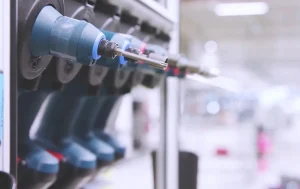
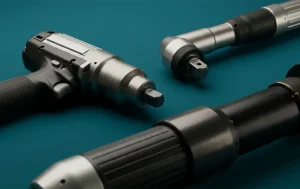
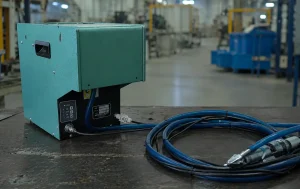
Just consider, for example, automatic fastening tools such as the NX motors, which feature a built-in transducer and rotation angle control for greater precision during the tightening process.
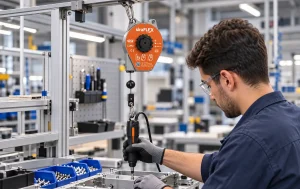
Not only that, but the catalog offers a wide selection of automatic screwdrivers—tools suitable for both fully automated workstations and semi-automated ones, i.e., those requiring operator presence.
Sira S.P.A. also offers you a wide range of options regarding:
- Collaborative robots—6-axis machines designed to meet safety, compactness, and flexibility criteria—specifically engineered to work in close proximity to the operator.
- SCARA robots or plug-and-play solutions are ideal for assembly processes thanks to their speed, precision, and adaptability to a wide variety of systems.
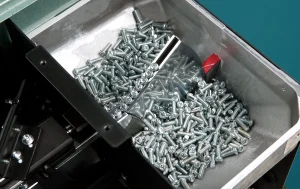
The Sira catalog also allows you to choose the automatic feeder that best suits your needs. For example, feeders are available for automatic or manual use. In short, there are many options to choose from, and all are perfectly suited to the customer’s needs.
The Reliability of SIRA S.p.A.
Sira is a company that relies on a professional, experienced, and competent team that provides not only pre-sales consulting but also after-sales support, allowing you to best adapt the product you’ve chosen to your production needs.
With fifty years of experience, the company is able to offer you only the best solutions available in its catalog in response to a request for a technical feasibility study, which the client may then decide to proceed with.
Finally, it is important to note that Sira uses products from Estic, a leading Japanese company in the development and production of tools and assembly systems characterized by the highest levels of safety and quality —qualities that have quickly established the company as a true industry leader on the global stage.
In short, relying on professionals in the industrial automation sector is a wise choice for taking that step towardIndustry 4.0—a crucial step toward success!